
|
|
|
 17th March 2026, 10:11 AM
|
#1 |
|
Member
Join Date: Mar 2009
Posts: 1,071
|

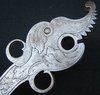
this sword was carried by William III at the Battle of the Boyne in 1690.
The silver-hilted swords likely served as models for the versions in wood and ivory; these are less detailed and, in my opinion, made in overseas colonial territories, like the example carved from wood in the Rijksmuseum. attached pic from National museum of Ireland. best Jasper |

|

|
|
17th March 2026, 05:55 PM
|
#2 |
|
Member
Join Date: Dec 2004
Location: NC, U.S.A.
Posts: 2,229
|
Jasper, thank you for posting this amazing example of these types of hangers. My example I always believed (as you point out) were probably made in a colonial setting. The example I posted that started this thread had a hilt made of tropical oranhe-colored wood that had split slightly over the ages. It was makred with the 4-dot 'crucifix' pattern found on Shri Lanken coins, so I assumed possibly from that region, dating to the Anglo-Dutch Wars for thespice trade. it is interesting to see this new example, but I now remember that William III was formerly William of Orange, noting the Dutch connection. Thanks for posting!
Mark |
|
|
|
|
19th March 2026, 11:38 AM
|
#3 |
|
Member
Join Date: May 2020
Posts: 1,028
|
Interesting yet different lion sword as well from Sri Lanka, English at the second half of the page:
https://www.eerstekamer.nl/overig/20...stane/document although completely different, another lion-head grip one which only has this limited description "lion head "yatagan". Indopersia, circa 1800." would any one on the forum know much about the latter? Last edited by gp; 19th March 2026 at 06:56 PM. |
|
|
|
 |
| Thread Tools | Search this Thread |
| Display Modes | |
|
|


 Hybrid Mode
