
|
|
|
 24th June 2021, 11:11 AM
|
#1 |
|
(deceased)
Join Date: Dec 2004
Location: Portugal
Posts: 9,694
|

Not forgetting that, apart from 'normalized' patterns, there were in the period examples made by rural smiths for the regional hunter, as also high end specimens ordered to skilled smiths by the wealthy class.
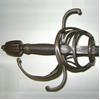
From a book of mine ... 1 - an example with an inscription on the blade "Donné par l'Emperor de d'Austriche à Mr. Jules Gerard 1854" (collection ducal Palace of Vila Viçosa - Portugal). 2 - an example signed by the famous Le Page mid XIX century (collection Ducal Palace of Vila Viçosa -Portugal). 3 - an example of the second half XIX century (collection Ducal Palace of Vila Viçosa -Portugal). 4 - an example equiped with a pistol (a not uncommon resource) of the XVIII century (Private collection). 5 - an example with a carved ivory hilt, Germany mid XVIII century (Metropolitan museum USA). . |

|

|
|
24th June 2021, 08:35 PM
|
#2 |
|
Arms Historian

Join Date: Dec 2004
Location: Route 66
Posts: 10,862
|
Great information on the German terminology Udo, thank you! It is always interesting to understand the etymology factors in these terms for weapons, and that the term 'knife' seems more broadly applied to these hangers.
Fernando, well noted and excellent examples, thank you for adding these which illustrate the wide scope of designs which far exceeded the more pedestrian working examples of these. The 'hunt' was the upper echelon event of social affairs in most cases, and where fashion, elegance and styling was key in these accoutrements as worn by the nobility and landed gentry. This is why they are typically grouped with 'court' weapons as worn at dress affairs, and an elegantly appointed weapon was 'de rigueur' and meant to impress. Although there were certain consistencies the the more commonly seen examples of these hunting hangers, as an art form in the mounts, the variations and themes have few bounds. |
|
|
|
 |
| Thread Tools | Search this Thread |
| Display Modes | |
|
|


 Hybrid Mode
