
|
 11th December 2025, 09:46 AM
|
#1 |
|
Member
Join Date: Dec 2014
Location: Black Forest, Germany
Posts: 1,268
|
 Albanian pistols
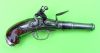
These pistols from Albania or Greece have fantastic silver stocks. Is there anyone here who can explain to me how these silver shafts with the many dimples were made?
|

|

|
|
11th December 2025, 02:31 PM
|
#2 |
|
Arms Historian

Join Date: Dec 2004
Location: Route 66
Posts: 10,866
|
These are wonderful 'rat tail' pistols, but fat outside my range.
I'm sure you have Robert Elgood's " Arms of Greece and her Balkan Neighbors" . and wonder if there might be some ideas in that. Silver work is a very specialized craft so jewelry workers producing sword hilts, or resources on them might have info. Just ideas and looking forward to replies here with answers. |
|
|
|
|
11th December 2025, 05:18 PM
|
#3 |
|
Member
Join Date: Dec 2014
Location: Black Forest, Germany
Posts: 1,268
|
Oh yes, I have the Elgood books, but there isn't a single sentence that answers my question, what was the reason why I asked here.

Last edited by corrado26; 11th December 2025 at 06:05 PM. |
|
|
|
|
12th December 2025, 08:55 PM
|
#4 |
|
Arms Historian
Join Date: Dec 2004
Location: Route 66
Posts: 10,866
|
Sorta figured that Udo, I dont have those handy right now so couldnt really check. Unfortunately most arms books are mostly typology, classifications and very little if anything on esoterica, history or manufacturing particulars.
I tried looking into references on swords which dealt with silver hilt swords, and while they describe the types of decoration no mention is made of the means by which these were achieved. I suppose only references focused on the making of jewelry, especially dealing with national or ethnic styles etc. might have details. Some references like that have appendix' with such info. Not much help, but I wanted to add something, while hoping somebody out there with specific interest in these might know. |
|
|
|
|
13th December 2025, 12:17 AM
|
#5 | |
|
Member

Join Date: May 2020
Posts: 1,037
|
Quote:
https://www.muzeu-fa.gov.al/english/ or as in the former Yu some books have been written about Balkan weapons by Đurđica Petrović: https://www.dumus.hr/en/cultural-his...ms-collection/ https://imus.org.rs/en/collection/co...ary-equipment/ and if Greek: https://warmuseum.gr/en/the-museums/...eum-of-athens/ Last edited by gp; 13th December 2025 at 12:31 AM. |
|
|
|
|
|
13th December 2025, 07:53 AM
|
#6 | |
|
Member
Join Date: Dec 2014
Location: Black Forest, Germany
Posts: 1,268
|
Quote:
|
|
|
|
|
|
13th December 2025, 10:12 AM
|
#7 |
|
Member
Join Date: Dec 2014
Location: Black Forest, Germany
Posts: 1,268
|
It looks like it is also not possible to contact the museum in Dubrovnik by e-mail; all the addresses given on its homepage do not work. Too bad!

|
|
|
|
|
13th December 2025, 10:24 AM
|
#8 |
|
Member
Join Date: Jan 2013
Location: Scotland
Posts: 384
|
Just a wild guess.
But carefully dripping melted liquid silver onto the cold brass may cause that effect. Obviously covering areas where you do not want the dimples to go. It seems more plausible than coating the whole thing with silver and then having to carve out each dimple separately. |
|
|
|
|
13th December 2025, 02:33 PM
|
#9 | |
|
Member
Join Date: May 2020
Posts: 1,037
|
Quote:
 tajnistvo@dumus.hr or otherwise the museum in Zagreb which has a big collection as well https://www.hismus.hr/en/collections...ion/overview/# email: MMIGK-LUKOVDOL@HISMUS.HR keine Atempause, Geschichte wird gemacht..es geht voran ! Translation: no rest for the wicked, go ahead and shoot ! |
|
|
|
|
|
13th December 2025, 04:30 PM
|
#10 | |
|
Member
Join Date: Feb 2023
Posts: 251
|
Quote:
They had fabulous silversmiths. They were cast. By. |
|
|
|
|
|
13th December 2025, 04:32 PM
|
#11 | |
|
Member
Join Date: Feb 2023
Posts: 251
|
Quote:
|
|
|
|
|
|
13th December 2025, 05:09 PM
|
#12 | |
|
Member
Join Date: Dec 2014
Location: Black Forest, Germany
Posts: 1,268
|

Quote:
|
|
|
|
|
|
13th December 2025, 05:11 PM
|
#13 | |
|
Member
Join Date: Dec 2014
Location: Black Forest, Germany
Posts: 1,268
|
Quote:
Thanks for your help, I sent an email to this adress
|
|
|
|
|
|
13th December 2025, 07:48 PM
|
#14 |
|
Member
Join Date: Feb 2023
Posts: 251
|
This in picture is one of my examples from my ancestors, boka kotorska is little known in the world, but on Balkan it is famous for Ledenice pistols and Pala swords and knives.
Silver "shells" are cast in mould, and put together two halfs of them, 99% of pieces i encountered are made this way. Beneath them is wooden stock. There is allso gold plated version with mercury technique of gold plating caled Zlatka or Goldie. They were only made in Boka kotorska, some authors place them in Greece and Albania but that is not thrue, greek silver pistols are very much diferent, and they never had this style of raised silverwork, let alone albanian ones. And about Đurđica Petrović book i would skip that, it is full of nonsense and serbian propaganda (for example she proclaims sword schiavonesca which is venetian and there is hungarian version, she proclaimed it serbian sword becouse it has S shaped crossguard, and in serbia they write S in cirilic C, better to awoid book). You could ask in Kotor museum or Perast museum for more details, but i think that it is zero chance, even goldsmiths in Kotor today, they dont know, im there almost every few months it is my family hometown, that art form is forgoten long time ago. Are the pistols yours? They are very nice examples, i would say made for order of some pasha or vezir. |
|
|
|
|
14th December 2025, 03:33 PM
|
#15 | |
|
Member
Join Date: Dec 2014
Location: Black Forest, Germany
Posts: 1,268
|
Quote:
The pair of pistols is not mine, I own another one |
|
|
|
|
|
14th December 2025, 06:16 PM
|
#16 | |
|
Member
Join Date: Feb 2023
Posts: 251
|
Quote:
That piece is magnificent! It is made in boka kotorska same silverwork but that is made for Greece order, that trigger is caracteristic forr greek market, also decoration. Boka kotorska silversmiths worked for everyone who paid, they were great merchants and silversmiths, worked both for ottomans and christians. My ancestors are from Montenegro, and Boka are is their garden, so lots of my collection is from there, gathered over from 15 century till 19 century from all turkish armies defeated in Montenegro, and from sales in boka, but i dont have one like that in my collection, im glad that you posted it! It is amazing, beautiful, and very rare and valuable piece! 😃👍🏻 |
|
|
|
|
|
19th December 2025, 06:32 PM
|
#17 | |
|
Member
Join Date: May 2020
Posts: 1,037
|
Quote:
you might disagree with some of her findings or she might have made the odd mistake but not only did Elgood use her works / actually copied them on the Balkan cold weapons in his book, but also scolars and historians do quote her...so it can not be all nonsense and certainly is not Serbian propaganda ( she is still used as a source in non Serbian ex Yu countries like Bosnia, Macedonia and Croatia...) and her obituary confirms the oposite... https://www.academia.edu/53556707/In..._Petrovi%C4%87 I can recommand f.i. her book "Dubrovniker Waffen im 14. Jahrhundert / Dubrovačko oružje u 14. veku" Last edited by gp; 19th December 2025 at 06:56 PM. |
|
|
|
|
|
19th December 2025, 06:40 PM
|
#18 | |
|
Member
Join Date: May 2020
Posts: 1,037
|
Quote:
it used to be South Dalmatia https://en.wikipedia.org/wiki/Bay_of_Kotor FYI: I do not come from there, nor do my ancestors but I spend a lot of time in the Boka with my friends from Risan and Dobrota in the mid to end 80ies...studying also its history and did visit their musuems , also in Montenegro itself ; Cetinje ☺ Last edited by gp; 19th December 2025 at 06:55 PM. |
|
|
|
|
|
19th December 2025, 06:48 PM
|
#19 | |
|
Member
Join Date: Feb 2023
Posts: 251
|
Quote:
About books, and museums, there could be written tons of materials on their mistakes and wrong claims. |
|
|
|
|
|
19th December 2025, 06:55 PM
|
#20 | |
|
Member
Join Date: Feb 2023
Posts: 251
|
Quote:
People in Boka Kotorska ( my origins are from boka kkotorska my first ancestor was recorded on chapel in Škaljari in Kotor in 1375.) But im not false like todays bokeljans who say boka is dalmatia, no, boka is and will be Montenegro. Pozdrav. 😃👍🏻 |
|
|
|
|
|
19th December 2025, 06:58 PM
|
#21 |
|
Member
Join Date: Feb 2023
Posts: 251
|
Wikipedia for source?
Realy? You do know that anyone can write that. |
|
|
|
|
19th December 2025, 07:11 PM
|
#22 | |
|
Member
Join Date: Feb 2023
Posts: 251
|
Quote:
|
|
|
|
|
|
20th December 2025, 09:39 AM
|
#23 | |
|
Member
Join Date: May 2020
Posts: 1,037
|
Quote:
You can use google translate In memoriam Djurdjica Petrovic (7. Mai 1927–12. Januar 2003) Die deutsche und internationale Südosteuropaforschung und Balkan-Ethnologie haben den Verlust einer bedeutenden Wissenschaftlerin zu beklagen. Eine liebenswerte Kollegin und enge Vertraute von uns Berliner Balkanologen, mit der wir jahrzehntelang zusammengearbeitet haben und mit der uns wertvolle persönliche Beziehungen verbunden haben, ist von uns gegangen. Wir lernten sie als eine fachlich hochqualifizierte, kluge und weltoffene Kollegin schätzen, deren Rat uns teuer war. In ihrer wissenschaftlichen Tätigkeit, aber auch durch persönliches Engagement war sie eine wichtige Mittlerin zwischen den westeuropäischen und den balkanischen Kulturen. Die Lücke, die mit ihrem Tod entstanden ist, wird schwerlich zu schließen sein. Djurdjica Petrović wurde im serbischen Stara Pazova in einer angesehenen Apothekerfamilie geboren. Ihre Kindheit war durch die Ereignisse des Zweiten Weltkriegs überschattet. Ihren 1942 zwangsweise unterbrochenen Schulbesuch konnte sie in Belgrad erst nach Ende des Krieges wieder aufnehmen. 1948 legte sie das Abitur ab und immatrikulierte sich an der Philosophischen Fakultät der Universität Belgrad im Fach Ethnologie. Hier legte sie im Jahre 1952 die Diplomprüfung ab. Unmittelbar danach nahm sie eine Tätigkeit als wissenschaftliche Mitarbeiterin am Belgrader Militärmuseum [Vojni muzej u Beogradu] auf. Hier widmete sie sich ganze 19 Jahre lang der systematischen Erforschung der auf dem Balkan vom Mittelalter bis zum 19. Jahrhundert gebräuchlichen Schutz- und Angriffswaffen. Dabei berücksichtigte sie nicht nur Formen, Konstruktionen und Funktionsweisen, sondern auch Entstehungszusammenhänge, Herstellungsweise und soziokulturelle Rahmenbedingungen der einzelnen Waffengattungen. Auf der Grundlage von erhaltenen Gegenständen und Quellenstudien in verschiedenen Archiven gelang es ihr, die histo- rischen Zusammenhänge des Waffengebrauchs und des einst sehr entwickelten Waffengewerbes auf dem Balkan zu rekonstruieren. Dabei drang sie in immer weiter zurückliegende Zeiten vor und entdeckte hier interessante Zusammenhänge. Nach zahlreichen Aufsätzen zu einzelnen Waffenarten und deren Herstellung (vgl. in diesem Zusammenhang z.B. Drveni topovi u našoj ratnoj prošlosti [Les canons en bois dans le passé guerrier de notre peuple], Vesnik Vojnog muzeja 5/I, Beograd 1958, 149–162) wurde sie 1964 an der Philosophischen Fakultät der Belgrader Universität mit einer Dissertation zu Oružarski zanati u našoj zemlji u vreme otomanske uprave [Waffengewerbe in unserem Lande zur Zeit der osmanischen Herrschaft] promoviert. Nachdem Djurdjica Petrović 1971 zunächst zur Außerplanmäßigen Professorin der Philosophischen Fakultät der Belgrader Universität ernannt wurde, erhielt sie 1979 den Ruf als Ordentliche Professorin auf den Lehrstuhl für Ethnologie der Universität, wo sie bis zu ihrer Pensionierung im Oktober 1992 tätig war. Im Rahmen der Disziplin „Ethnologie Jugoslawiens“, deren Inhalte sie selber konzipierte, lehrte sie zunächst „Ethnologie Kroatiens“ und später „Ethnologie Jugoslawiens – mate-rielle Kultur“. Djurdjica Petrović war eine erfolgreiche und engagierte Universitätsprofessorin, die zahlreiche Studentengenerationen ausgebildet, Magister- und Doktorarbeiten betreut hat. In Anerkennung ihrer Lehr- und Forschungstätigkeit wurde sie als erste Frau zur Dekanin der Philosophischen Fakultät ernannt. Dieses Amt bekleidete sie von 1989 bis 1991. Djurdjica Petrović war darüber hinaus aktives Mitglied zahlreicher nationaler Kommissionen, die der Serbischen Akademie der Wissenschaften, verschiedenen Museen und anderen kulturellen Institutionen beigeordnet waren. Seit 1988 vertrat sie Jugoslawien im Netzwerk für wissenschaftliche und technische Zusammenarbeit zur europäischen Ethnologie und Geschichte beim Europarat. Sie war auch Vorsitzende der Ethnologischen Gesellschaft Jugoslawiens. An deutschen Universitäten und wissenschaftlichen Einrichtungen wie auf internationalen Kongressen war sie als Vortragende ein geschätzter und stets gern gesehener Gast. Djurdjica Petrović absolvierte ihre wissenschaftliche Ausbildung im Fach Eth- nologie. Im Verlauf ihrer Tätigkeit am Militärmuseum und an der Belgrader Universität erweiterte sie ihren methodischen Ansatz sowie ihre Betrachtungsgegenstände auch auf andere historisch orientierte Bereiche, die man unter dem Begriff ‚Kulturwissenschaften’ subsumieren könnte. Kennzeichnend für ihre Arbeitsweise ist die ganzheitliche Betrachtungsweise von kulturellen Phänomenen, unter Berücksichtigung aller Kontexte und historischer Entwicklungsprozesse. Selbst in Arbeiten zur materiellen Kultur war sie stets darum bemüht, diese zu dem Menschen als ihrem Schöpfer und Benutzer in Beziehung zu setzen und die gegenseitige Durchdringung verschiedener Kulturen und Traditionen zu berücksichtigen. In ihrer Monographie zu Dubrovniker Waffen im 14. Jahrhundert [Dubrovačko oružje u 14. veku], Beograd 1976, wie in zahlreichen anderen Studien und Beiträgen, mit denen sie bis dahin unbekanntes Archivmaterial zugänglich machte, stellt sie ihre interdisziplinäre Herangehensweise überzeugend unter Beweis. Viele Jahre hindurch durchforstete sie unermüdlich und akribisch die Archive von Kotor, Dubrovnik, Zadar, Venedig und anderer Städte, in denen sie umfangreiches Material zu ihrem Forschungsgegenstand entdeckte. Hierbei halfen ihr ihre Kenntnisse westeuropäischer Sprachen, der lateinischen Paläographie wie auch ihre Fähigkeit zur kritischen Analyse handschriftlicher Quellen. Im Verlauf ihrer Forschungsarbeiten an verschiedenen Archiven rückten mittelalterliche Gegebenheiten bei Serben und Kroaten, aber auch bei anderen Völkern des Balkans immer stärker in den Mittelpunkt ihres Interesses. In diesem Zusammenhang widmete sie sich neben Waffen Textilien und der Textilherstellung, ferner mittelalterlichen Luxusgesetzen und anderen Vorschriften kirchlicher und weltlicher Organisationen; der Ernährung sowie Bräuchen und Riten der Bewohner des Balkans; vgl. z.B. in diesem Zusammenhang ihren Beitrag zu Affektive Aktivitäten während des mittelalterlichen Bestattungsrituals im Zentralbalkan, (in: Laughter & Tears in the Balkan Cultures, ed. by E. Karpodini-Dimitriadi, Athen 1996). Allmählich avancierte sie zu einer international bekannten Spezialistin zu historischen Gegebenheiten der Balkankulturen. Dies geht unter anderem aus ihrem Beitrag zu Firearms in The Balkans on the Eve of and after the Ottoman Conquest of the Forteenth and Fifteenth Centuries (in: War, Technology and Society in the Middle East, London 1975) wie aus ihren 23 Lexikonbeiträgen zu Kleidung, Schuhwerk, Kopfbedeckungen und einer Reihe von Gegenständen des Hausgebrauchs im Lexikon des serbischen Mittelalters [Leksikon srpskog srednjeg veka], Belgrad 2000, hervor. Seit den siebziger Jahren des vergangenen Jahrhunderts widmete sich Djurdjica Petrović auch der sonst in Serbien kaum beachteten urbanen Ethnologie. In ihren Beiträgen dazu geht sie über ethnologische Fragestellungen weit hinaus und berücksichtigt neben militärisch-strategischen und administrativen auch religiöse, soziologische, politische und ökonomische Gegebenheiten. Ihre Studie zum Alltagsleben in den serbischen Städten in der ersten Hälfte des 16. Jh.s (in: Zeitschrift für Balkanologie 27/2. Berlin 1991, 157–169) vermittelt sie beispielsweise wertvolle Details zur Zahl, zur ethnischen und religiösen Zusammensetzung, zu religiösen und profanen Gebäuden, Gewerbe und Handel, Hygiene, Wohnungseinrichtung, Ernährung und Kleidung der Bewohner von Belgrad, Niš, Smederevo, Kruševac und Novi Pazar im 16. Jahrhundert. Der wissenschaftliche Beitrag von Djurdjica Petrović zur kulturhistorisch orientierten Balkan-Ethnologie und Südosteuropaforschung ist von bleibendem Wert. Bereits zu Lebzeiten sicherte sie sich einen wichtigen Platz in der serbischen Ethnologie und Historiographie, die sie wesentlich mitprägte. Den Zerfall Jugoslawiens und die darauf folgenden Ereignisse und Verhältnisse in ihrem Heimatland erlebte sie, der europäisch denkende liberale Geist, als eine persönliche Tragödie. Lediglich die nicht abgerissenen Kontakte zu ihren deutschen Freunden und Kollegen, aber auch zu ihren Kollegen in Kroatien, Makedonien und Bosnien, regelmäßige Anrufe und Paketsendungen ihrer Hamburger Jugendfreundin Carola und einige kurze Deutschland-Besuche halfen ihr über diese schwere Zeit hinweg. Es ist bedauerlich, dass sie den in Serbien jetzt allmählich in Gang kommenden Demokratisierungsprozess nicht mehr mitgestalten kann. Wir werden Djurdjica Petrović ein stets ehrendes Andenken bewahren. Jena/Berlin Gabriella Schuber 2003, Zeitschrift Fur Balkanologie |
|
|
|
|
|
20th December 2025, 12:40 PM
|
#24 |
|
Arms Historian
Join Date: Dec 2004
Location: Route 66
Posts: 10,866
|
VERY nicely rebutted GP!!!
As you have well noted, and while not knowing this subject matter specifically nor the history of these regions, I do know Robert Elgood, and that he is one of the finest and most thorough researchers I have ever known. With these kinds of reference books, and as I have been told by many authors of them, it is inevitable to have certain errors or misperceptions occur as is typically noted in their introductions. Also noted in personal conversations with some authors, is that critics will always loudly voice their self proclaimed expertise in their proclamations. This is profoundly the case when clear jingoism is at hand. I have always believed that authors should be applauded for the courage and tenacity it takes to publish, and that any critique or correction should be handled respectfully and with courtesy. While this discussion has been fascinating and most useful, I just wanted to note these thoughts, and thank GP for adding the obituary of this author with her well deserved respect. Back to the topic! |
|
|
|
|
20th December 2025, 09:58 PM
|
#25 |
|
Member
Join Date: Dec 2004
Location: Bay Area
Posts: 1,769
|
Serdar has some really good points. The reason Elgood copied Petrovic is because she was among the few local scholars to respond to him. He did not really make an effort to go deeper or travel throughout the Balkans, which led to the publishing of a good, but incomplete book.
Fortunately, the study of arms and armor in the Balkans is progressing and better books are constantly being published. |
|
|
|
 |
| Thread Tools | Search this Thread |
| Display Modes | |
|
|


 Linear Mode

